

Registering a car in California is a crucial step for any new owner, ensuring legal compliance and ownership rights. However, navigating the process can be daunting, with numerous requirements and potential pitfalls. This comprehensive guide arms you with the knowledge to smoothly register your vehicle, highlighting critical steps like gathering essential documents, understanding fees, and successfully completing the DMV VIN verification process. By the end, you’ll be prepared to confidently manage this vital task, ensuring a seamless experience from start to finish.
- Prepare Required Documents for Car Registration
- Visit California DMV: Steps and Procedures
- Perform DMV VIN Verification for Accurate Data
- Pay Registration Fees: Understanding Costs
- Maintain Your Vehicle's Registration and Records
Prepare Required Documents for Car Registration

To register your car in California, preparing the required documents is a crucial step. The California Department of Motor Vehicles (DMV) requires several specific forms and pieces of information for car registration. Among these, the Vehicle Identification Number (VIN) verification stands out as an essential component. This process ensures that the vehicle matches the details provided on the registration paperwork, thus preventing fraud. One effective method to streamline this step is through mobile VIN verification.
Mobile VIN inspection services offer a convenient and efficient way to conduct this check. These services use advanced technology to cross-reference your car’s VIN with state records in real time. This can be particularly useful for individuals who may not have easy access to traditional DMV locations or prefer the flexibility of an on-site, mobile service. For instance, a study by the California DMV found that over 80% of vehicle owners were satisfied with mobile inspection services due to their convenience and speed.
When preparing your documents, ensure you have accurate information for both the VIN and the vehicle’s details. This includes the make, model, year, and any modifications made to the car. Additionally, gather essential paperwork like proof of insurance, a valid driver’s license, and registration fees. Remember that the DMV accepts mobile VIN verification as a legitimate method for checking vehicle authenticity, making it easier for you to complete the registration process smoothly. Always double-check your documents for accuracy before submitting them to avoid delays or issues during car registration in California.
Visit California DMV: Steps and Procedures
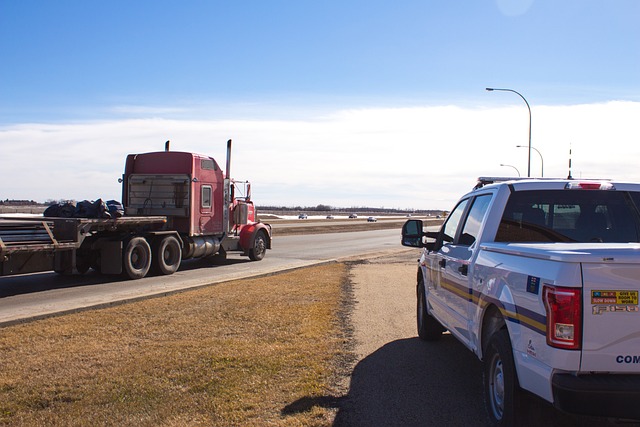
Registering a car in California involves several crucial steps, with visiting the California Department of Motor Vehicles (DMV) being a key component. The process ensures vehicles on California roads meet safety and environmental standards. During your visit, you’ll need to complete applications, provide necessary documents, and pass a vehicle inspection, including DMV VIN verification. This step is vital to confirm the vehicle’s identity using its unique Vehicle Identification Number (VIN).
At the DMV, you’ll first gather essential documents such as proof of residency, identification, and your old registration (if applicable). Then, you’ll proceed to the counter to submit the necessary forms, which include a vehicle registration application and a title transfer if applying for ownership change. Once your application is processed, a staff member will guide you to the inspection area where a DMV vin inspector will conduct a thorough check of your vehicle. This includes examining the VIN plate, checking for any signs of tampering, and ensuring it aligns with the data in the state’s system.
For convenience, many residents opt for mobile VIN inspection services that come to their location. These services offer the same level of expert verification as in-person inspections, using advanced technology to cross-reference the VIN against national databases. This alternative approach is particularly appealing for those who find visiting the DMV cumbersome or prefer a more streamlined process. Whether you choose to go through the traditional DMV visit or avail of mobile vin inspection, ensure that your vehicle passes all checks before proceeding with registration to avoid any delays or complications.
Perform DMV VIN Verification for Accurate Data

Before registering your car in California, performing a DMV VIN verification is crucial to ensure the data associated with your vehicle is accurate. This process involves checking the Vehicle Identification Number (VIN) against the state’s database to confirm its authenticity and history. The California Department of Motor Vehicles (DMV) offers both in-person and mobile vin inspection services, allowing you to verify the VIN at a convenient time and location.
During a mobile vin verification, a DMV inspector will physically inspect your vehicle and compare the VIN on its registration documents with the one etched into the car’s chassis. This step is vital because it helps prevent fraud and ensures that no discrepancies exist between the vehicle’s history and its current status. For instance, a previous owner might have altered the mileage or hidden damage, which a meticulous vin inspection can uncover. Data from these checks feeds into the DMV’s comprehensive database, providing a reliable record of each vehicle’s history.
For those who prefer a more streamlined approach, mobile vin verification services offer significant advantages. These services come to your location, whether it’s your home or workplace, saving you time and effort. They’re particularly useful for individuals with busy schedules or limited mobility. Moreover, many mobile services provide immediate feedback, allowing you to address any issues before proceeding with the registration process. By leveraging these efficient methods, such as mobile vin inspection, you can ensure a smooth car registration experience in California while maintaining the integrity of vehicle data.
Pay Registration Fees: Understanding Costs

Registering a car in California involves several steps, one of which is paying the required registration fees. These fees are determined by various factors, including the type of vehicle, its age, and the services you choose. The California Department of Motor Vehicles (DMV) offers multiple payment options, such as online, by mail, or in person at a DMV field office.
For new vehicles, you’ll typically pay a base fee along with any applicable taxes and fees. This can include the vehicle’s weight, emissions standards, and other regulatory requirements. For example, electric vehicles may have different fee structures due to their reduced environmental impact. Additionally, if you’re registering a vehicle that is five years or older, there’s usually an additional fee for a safety inspection, which includes a DMV VIN verification process to ensure the vehicle meets safety standards. This inspection can be conducted at a certified repair facility or, conveniently, through a mobile VIN inspection service.
One key aspect to consider is the availability of mobile VIN inspection services, which allow you to get the necessary verification without having to visit a DMV field office or wait in line. These services can be particularly beneficial for those who reside in remote areas or have busy schedules. A simple online search for “mobile VIN inspection California” will yield numerous reputable providers who offer this service at your convenience. Not only does this save time, but it also adds an extra layer of flexibility to the registration process.
Remember that staying informed about the latest fee structures and services offered by the DMV can help ensure a smoother registration experience. By understanding these costs upfront and utilizing available resources like mobile VIN verification, you’ll be better equipped to navigate the car registration process in California efficiently and effectively.
Maintain Your Vehicle's Registration and Records

Maintaining your vehicle’s registration and records is a critical aspect of car ownership in California. This involves ensuring your vehicle passes all necessary inspections and that your registration documents are up-to-date. One key component is the Vehicle Identification Number (VIN) verification, which is typically conducted at the California Department of Motor Vehicles (DMV). A mobile VIN verifier or inspection service can also be utilized for added convenience, allowing you to conduct this check from virtually anywhere using your smartphone.
Regularly updating your vehicle’s registration is essential to avoid penalties and fines. In California, vehicles must undergo a safety inspection every year, with additional emissions tests depending on their age. These inspections verify that your car meets all safety standards set by the DMV. For example, data shows that up to 20% of vehicles failed their safety inspections in recent years due to outstanding issues like faulty brakes or worn-out tires. To prevent this, owners should schedule routine check-ups and address any issues promptly.
A mobile VIN inspection service can play a pivotal role in this process by providing on-demand verifications. These services use the vehicle’s unique VIN to access detailed history reports that include previous ownership, accident records, and maintenance logs. By integrating such technology into your car care routine, you gain peace of mind knowing that your vehicle’s documentation is accurate and current. Moreover, it helps in identifying potential issues before they become serious problems, saving both time and money in the long run.
By meticulously preparing required documents, navigating the California DMV’s steps and procedures, performing crucial dmv VIN verification for accurate data, understanding registration fees, and maintaining vehicle records, you can successfully register your car in California. This comprehensive guide equips you with the knowledge to streamline a vital process, ensuring compliance and peace of mind on California’s roads.