

Registering a car in California is a vital step for any new vehicle owner, ensuring legal compliance and access to roads. However, navigating the process can be challenging, with numerous requirements and potential pitfalls. This comprehensive guide aims to demystify the car registration journey, offering expert insights into every step. From gathering essential documents to understanding fees and even how to conduct a DMV VIN verification, we’ll ensure you’re prepared to register your vehicle smoothly and confidently.
- Gather Necessary Documents for Car Registration
- Prepare Your Vehicle for DMV Inspection (DMV VIN Verification)
- Complete the California Car Registration Application
- Pay California Car Registration Fees and Taxes
- Receive Your Vehicle's Registration Certificate and Tags
Gather Necessary Documents for Car Registration

Registering a car in California involves a series of steps, with proper documentation being paramount. Before you begin the process, ensure you have all necessary papers ready to streamline the procedure. Key among these documents is proof of ownership, typically a bill of sale or manufacturer’s certificate of origin (MCO). Additionally, you’ll require a current vehicle inspection report, which can often be obtained from your local automotive service center. Some states allow for a self-inspection using a mobile vin verifier, though California generally requires professional inspection.
Another critical component is the Vehicle Identification Number (VIN) verification. The California Department of Motor Vehicles (DMV) conducts this to ensure the vehicle’s history aligns with the provided details. A mobile vin verifier can facilitate this process by providing a digital report of the VIN inspection, ensuring accuracy and convenience. This step is non-negotiable, as it helps prevent fraud and ensures compliance with state regulations.
It’s also advisable to gather your driver’s license or identification card, proof of insurance, and any applicable fees for registration. Having these documents ready demonstrates preparedness and can expedite the registration process at your local DMV office or designated agent. Remember, accurate documentation is key to a smooth car registration experience in California.
Prepare Your Vehicle for DMV Inspection (DMV VIN Verification)

Before you can register your car in California, your vehicle must pass a thorough inspection conducted by the Department of Motor Vehicles (DMV). This process, often referred to as DMV VIN verification, ensures that all cars on the road meet safety and emissions standards. One crucial aspect of preparing for this inspection is ensuring your vehicle’s Vehicle Identification Number (VIN) is accurately documented and accessible.
For many drivers, the traditional process of scheduling an appointment at a DMV field office can be time-consuming and inconvenient. Here’s where mobile VIN inspection services come into play as a practical solution. These services offer on-demand, in-person VIN verification right at your location—be it your home or workplace. Using advanced technology, a mobile VIN verifier captures and transmits your vehicle’s critical data to the DMV, streamlining the registration process significantly.
During the inspection, the mobile vin inspector will physically inspect your car for any signs of tampering or damage that might affect its safety or compliance with California’s regulations. They’ll also verify the accuracy of the VIN etched into the vehicle’s chassis and confirm it matches the information in the DMV database. This step is vital to prevent fraud and ensure the integrity of the registration process. By utilizing mobile vin verification services, you can save precious time, avoid unnecessary trips, and rest assured that your car meets all necessary standards for California registration.
Complete the California Car Registration Application
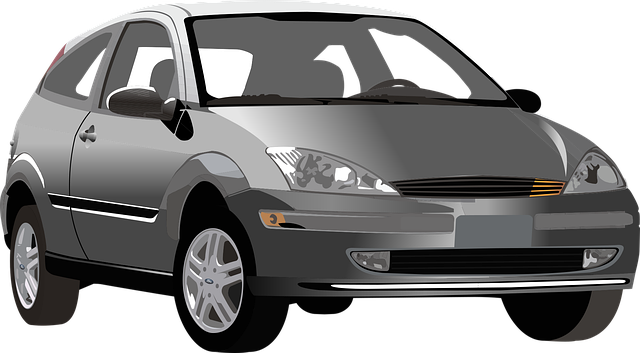
Completing the California Car Registration Application is a crucial step in the vehicle registration process. This form is your official documentation, ensuring your car complies with state regulations. The application requires detailed information about your vehicle, including its make, model, year, and unique Vehicle Identification Number (VIN). It’s essential to have this VIN verification done accurately, which can be facilitated by utilizing a mobile VIN verification service. These tools provide a convenient, on-the-go way to confirm your vehicle’s details, ensuring you have the correct information for the application.
To initiate the process, obtain the necessary form from the California Department of Motor Vehicles (DMV) website or pick it up in person at a local DMV office. Fill it out meticulously, double-checking each entry. The form asks for specifics like the color of your car, its fuel type, and any previous owners. This level of detail ensures a smooth inspection process. If you’re unsure about any data, consider reaching out to a trusted mechanic for assistance or utilizing a mobile VIN verifier to retrieve the information directly from your vehicle’s system.
Once completed, submit the form along with the required fees and supporting documents. The DMV will then conduct a thorough inspection, which includes a mobile VIN verification to ensure the vehicle matches the provided details. This step is vital to maintain the integrity of the registration process. During inspection, the DMV official will check for any discrepancies between the application and the car’s actual specifications, including the VIN. Properly completing the application and utilizing mobile VIN verification tools can streamline this process, ensuring a faster and more efficient registration experience.
Pay California Car Registration Fees and Taxes

Paying the appropriate California car registration fees and taxes is a crucial step in ensuring your vehicle’s legal status. The State of California requires all vehicle owners to register their cars with the Department of Motor Vehicles (DMV) within 30 days of establishing residency or purchasing a new vehicle. Failure to do so can result in significant penalties, including fines and potential impoundment.
One of the key aspects of this process involves verifying the Vehicle Identification Number (VIN) through a process known as DMV VIN verification. This step ensures that your car’s details match the information on record with the state. You can facilitate this procedure by utilizing a mobile VIN inspection or a mobile VIN verifier, which allows you to complete the verification from the comfort of your home or location of choice. By leveraging these modern tools, such as mobile VIN verification apps, you simplify the process and avoid unnecessary visits to DMV offices.
To calculate the total cost, be prepared to pay various fees, including registration fees, emissions testing fees, and vehicle sales tax. The registration fee in California typically ranges from $50 to $200, depending on your vehicle’s type and age. Emissions testing is also required for most vehicles, with associated costs varying based on the type of test needed. Additionally, you’ll need to remit the applicable sales tax when registering a newly purchased vehicle. For instance, if you buy a car priced at $30,000, you’d calculate 7.25% of that value to determine the sales tax amount.
To streamline the payment process, consider using the DMV’s online services or third-party platforms that facilitate mobile VIN verification and fee payments. These options not only save time but also provide a more convenient way to ensure your car is legally registered and up to date with California’s requirements. Always verify the accuracy of the information provided to avoid delays or errors in the registration process.
Receive Your Vehicle's Registration Certificate and Tags

After completing your California vehicle registration application at the DMV or through an online portal, the next step is to receive your Vehicle’s Registration Certificate (VRC) along with the required tags. This crucial process ensures that your car is legally registered and ready for road use. The VRC contains vital information about your vehicle, including its make, model, year, and unique Vehicle Identification Number (VIN). It serves as both a registration document and proof of insurance.
One efficient way to expedite this process is by utilizing mobile VIN inspection or verification services. These services allow you to have the VIN of your vehicle checked remotely, ensuring accuracy before proceeding. A reputable mobile VIN verifier will cross-reference the provided VIN with state records to confirm the vehicle’s details and history. This step is particularly beneficial when buying a used car, as it helps verify the vehicle’s authenticity and ensures there are no outstanding issues or fraudulent activities associated with it. For instance, a recent study found that approximately 1 in 5 vehicles checked through mobile VIN services had discrepancies in their records, highlighting the importance of such verifications.
Once your VIN is verified, you can obtain your VRC and tags. The DMV will issue a registration card and license plates tailored to your vehicle. Ensure these documents are kept secure and up-to-date. In California, failing to maintain proper registration can result in penalties, including fines and potential impoundment of your vehicle. Regularly renewing your registration on time is essential to avoid such complications.
By meticulously gathering all necessary documents for car registration, preparing your vehicle for a successful DMV VIN verification, completing the California car registration application with accuracy, paying all required fees and taxes, and finally receiving your vehicle’s registration certificate and tags, you have not only completed the legal process but also ensured your car is legally registered in California. This authoritative guide provides a clear roadmap to navigating the registration process, empowering you to confidently take the next steps in owning and operating your vehicle within the state’s regulations. Remember, proper registration is crucial for safety, insurance, and legal compliance on California’s roads.