
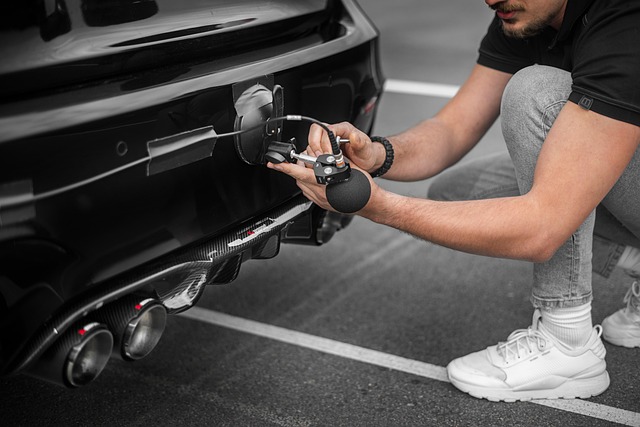
Registering a car in California is a vital step for new vehicle owners, ensuring legal compliance and access to public roads. However, navigating the process can be daunting, with its numerous requirements and potential pitfalls. This comprehensive guide aims to demystify the car registration procedure, offering expert insights tailored to the Golden State’s regulations. We’ll walk you through each step, emphasizing the critical role of Vehicle Identification Number (VIN) verification for accuracy and security. By the end, you’ll be equipped with the knowledge to register your vehicle seamlessly.
- Understand California Car Registration Requirements
- Gather Necessary Documents for VIN Verification
- Select a Registered Vehicle Location or Dealership
- Complete the California Vehicle Registration Application
- Submit Your Application and Receive Your Registration Papers
Understand California Car Registration Requirements

Registering a car in California involves understanding key requirements to ensure legal compliance and smooth ownership experience. One of the critical aspects is Vehicle Identification Number (VIN) verification, which serves as the unique fingerprint for every vehicle. VIN inspection plays a pivotal role in ensuring that the car’s history aligns with its current condition and ownership records. In California, this process often involves leveraging mobile VIN verification services, offering convenience and speed to users.
California requires accurate and up-to-date information linked to your vehicle’s VIN. This includes verifying the vehicle’s make, model, year, and other details against manufacturer records. During registration, you’ll be asked to provide the VIN from your car’s identification plate or document. It is crucial to ensure that the VIN on your vehicle matches the one registered with the California Department of Motor Vehicles (DMV). Any discrepancies may trigger delays or additional scrutiny. Mobile VIN verifiers can facilitate this process by providing real-time, digital confirmation, ensuring both accuracy and swiftness.
Additionally, California’s registration involves several other steps, such as passing emissions tests and ensuring your vehicle meets safety standards. Proper documentation, including proof of insurance and identification, is essential. Considering the intricate nature of these requirements, using a mobile VIN verification service can streamline the registration process by simplifying VIN inspection, saving time for both users and DMV staff.
Gather Necessary Documents for VIN Verification

To register a car in California, you’ll need to gather several crucial documents for VIN verification. The Vehicle Identification Number (VIN) is a unique code that identifies your vehicle’s make, model, and year, among other details. During registration, this number is verified against official databases to ensure its authenticity and prevent fraud. Key documents required include the title certificate from the previous owner, proof of insurance, and a valid driver’s license. For convenience, many residents opt for a mobile VIN inspection or utilize a mobile vin verifier service, which allows you to complete the verification process right at your location.
California’s Department of Motor Vehicles (DMV) offers various methods to obtain these documents. If you’ve recently purchased the vehicle from a dealership, they typically handle the necessary paperwork, including transferring the title and registering the car with the DMV. However, if purchasing from a private seller, it’s your responsibility to secure all required documents before visiting the DMV. It’s worth noting that specific requirements can vary based on the age and type of vehicle, so always double-check with the DMV or use a mobile vin verifier to ensure compliance.
Once you have all necessary papers in order, scheduling an appointment for registration becomes straightforward. Many people prefer booking online through the official DMV website to avoid long waits at local field offices. During your visit, a DMV agent will review your documents, perform a VIN inspection, and process the registration fee. Upon completion, you’ll receive a registered vehicle title, license plates, and other relevant documentation. Remember, accurate record-keeping is essential throughout this process, so keep all your papers in a secure place, including any correspondence with mobile vin inspection services or the DMV.
Select a Registered Vehicle Location or Dealership

Choosing the right location for registering your vehicle in California is a crucial step in ensuring a smooth process. You have options beyond traditional dealership settings, each with its advantages. One strategic choice is to opt for a registered vehicle location, often known as a title and registration agency. These specialized facilities offer efficient services tailored to vehicle owners. They are equipped to handle the paperwork, including verifying your Vehicle Identification Number (VIN) through a process like mobile VIN verification, ensuring accuracy before registration.
Consider the convenience of these agencies, especially if you’re unfamiliar with the area or have limited time. Many provide drive-up services, allowing you to complete transactions without stepping out of your car. This is particularly beneficial for busy individuals who value their time. Additionally, some locations offer same-day registration, making it ideal when you need prompt service. For instance, a recent study by the California Department of Motor Vehicles (DMV) revealed that over 50% of customers preferred mobile VIN inspection services due to their efficiency and reduced waiting times.
When selecting a location, ensure they are authorized by the DMV and have established procedures for vin inspection. Reputable agencies will have trained staff who can guide you through the registration process, answer any questions, and even assist with title transfers if needed. By choosing wisely, you can avoid potential delays or complications that might arise at less specialized venues.
Complete the California Vehicle Registration Application

Registering a car in California involves several steps, one of which is completing the California Vehicle Registration Application. This process requires meticulous attention to detail, accurate documentation, and verification. The primary identifier for any vehicle, including in California, is its Vehicle Identification Number (VIN). VIN verification is a crucial step that ensures the authenticity and history of your vehicle. It’s essential to ensure that all information provided on the application aligns with the data found through a VIN inspection or mobile VIN verification service.
When completing the application, double-check the VIN details such as make, model, year, and vehicle identification number itself. California uses the National Motor Vehicle Title Information System (NMVTIS) for VIN inspections, allowing you to confirm the vehicle’s history, including any previous owners or accidents. Many professional services offer mobile VIN inspection, which can be particularly convenient if you’re busy or have limited mobility. These services employ advanced technology to conduct a thorough VIN verification process right at your location.
It’s important to note that providing incorrect information during registration may lead to legal issues down the line. Therefore, take the time to cross-reference all details from reliable sources. Additionally, keep in mind that vehicles with modified or altered VINs are illegal in California and can result in severe penalties. Always ensure any modifications comply with state regulations before proceeding with registration.
Submit Your Application and Receive Your Registration Papers

After gathering all necessary documents, it’s time to submit your application for car registration in California. You can complete this process online or through the mail, though many prefer the convenience of using a mobile vin verification service for this step. A reliable mobile vin verifier can streamline the application by ensuring your vehicle’s identity is accurately confirmed via its unique Vehicle Identification Number (VIN). This is crucial for California registration as it allows officials to cross-reference vital details against state records.
To initiate the submission, you’ll need to fill out a California Registration Application form, providing information such as your personal data and vehicle specifications. Alongside this, you must include proof of insurance, payment for registration fees, and—for mobile vin verification users—the digital report confirming your VIN. Submitting these documents electronically through a mobile vin inspection app can save time and reduce potential errors, making it a smart choice for many California drivers.
Once submitted, the California Department of Motor Vehicles (DMV) will process your application. If all is in order, including successful vin verification, you’ll receive your registration papers via mail within a few weeks. Having these documents ensures your vehicle is legally registered and roadworthy, allowing you to drive with confidence and avoid penalties for late or unregistered vehicles. Always double-check the accuracy of submitted information, especially your VIN, as errors can cause delays in receiving your registration.
By following these straightforward steps, from understanding California’s car registration requirements to completing vin verification and submitting your application, you can ensure a smooth process for registering your vehicle. This article has provided essential insights, empowering you to navigate the process with confidence. Remember, accurate documentation and thorough vin verification are pivotal to a successful registration, ensuring compliance with California’s regulations and peace of mind on the road.