

Registering a car in California is a vital step for any new or existing vehicle owner. It ensures your vehicle’s legality on state roads, facilitates access to essential services like insurance and maintenance, and plays a crucial role in personal safety and security. However, the process can be complex, with numerous steps and regulatory requirements. To navigate this labyrinth, it’s essential to have accurate, up-to-date information. This article serves as your comprehensive guide, detailing each step involved in registering your vehicle in California, including utilizing a VIN verifier to ensure all details are correct and legitimate.
- Prepare Your Documents for Car Registration in California
- Understand the California Vehicle Identification Number (VIN) Verifier
- Gather Necessary Information and Forms for Registration
- Visit a California Department of Motor Vehicles (DMV) Office
- Complete the Registration Process and Receive Your License Plate
Prepare Your Documents for Car Registration in California

Before you begin the registration process, it’s crucial to prepare your documents, ensuring a smooth and efficient experience. In California, specific requirements must be met, and having your paperwork in order will save time and potential headaches. Key among these preparations is ensuring your Vehicle Identification Number (VIN) is accurate and verifiable. The California Department of Motor Vehicles (DMV) recommends utilizing a VIN verifier to confirm the vehicle’s identity and history, which is essential for compliance and security. This step is particularly important when buying a used car from an individual or dealer, as it helps prevent fraud and ensures you’re registering the correct vehicle.
For convenience, many services offer mobile VIN inspection and verification, allowing you to complete this critical task from the comfort of your home or even while at a car dealership. These services provide real-time data on the vehicle’s history, including any accidents, outstanding loans, or reported damages, which can significantly impact registration costs and requirements. For instance, according to recent studies, nearly 1 in 5 vehicles with suspected odometer rollbacks were successfully identified through mobile VIN verification services during a nationwide campaign.
Having your VIN inspection done beforehand enables you to address any potential issues before initiating the registration process at the DMV. It’s advisable to gather all necessary documents, including proof of insurance, title (if applicable), and current vehicle registration (if from another state). By proactively preparing these materials, you’ll be well-prepared to navigate the registration process, ensuring your California vehicle is legally registered and roadworthy in no time.
Understand the California Vehicle Identification Number (VIN) Verifier

Registering a car in California involves several crucial steps, one of which is ensuring your vehicle’s Vehicle Identification Number (VIN) is verified accurately. The VIN is a unique code that identifies your vehicle and plays a vital role in the registration process. A reliable method for this verification is through the use of a mobile VIN verifier, which offers convenience and precision.
A California VIN Verifier is a specialized tool or service that enables you to confirm the authenticity of your car’s VIN. This process typically involves inputting your vehicle’s VIN into a secure database, which then cross-references it against manufacturer records and state databases. Mobile VIN verifiers have revolutionized this step by bringing this advanced technology directly to you. With just a few clicks on your smartphone or tablet, you can conduct a real-time VIN inspection, eliminating the need for lengthy visits to dealerships or registration centers.
For instance, many mobile VIN verifier apps provide instant results, showing any discrepancies or errors in the VIN and offering peace of mind before proceeding with registration. They can also help identify potential issues like odometer rollback or vehicle theft, ensuring your car’s history is accurately represented. Regularly utilizing a mobile VIN verifier during ownership transitions can save time, reduce administrative burdens, and ensure compliance with California’s stringent automotive regulations. Always opt for reputable services that maintain secure data and offer transparent reporting to guarantee the best experience and results.
Gather Necessary Information and Forms for Registration

Before you begin the registration process, it’s crucial to gather all the necessary information and forms required by the California Department of Motor Vehicles (DMV). This step is often overlooked but can significantly streamline your experience. Start by obtaining your Vehicle Identification Number (VIN) from your car’s registration or vehicle title—a VIN verifier, whether a mobile app or physical tool, can assist in this process. Ensure accuracy; even a minor discrepancy could delay registration. Next, gather important documents like your driver’s license, proof of insurance, and evidence of ownership, such as a purchase agreement or loan documentation.
For out-of-state transfers, additional forms might be needed, including a Notice of Vehicle Transfer and a completed DMV Form 137 (Application for Title). It’s also essential to check if your vehicle is eligible for registration in California; some vehicles may have specific requirements or restrictions. If you’re registering a classic car, for instance, the DMV offers a ‘Classic Car’ registration option with different guidelines. A mobile VIN inspection can help verify the vehicle’s history and ensure it meets all legal standards before proceeding.
Once you have all the necessary documents, fill out the appropriate application forms available on the DMV website or at your local field office. Double-checking your work is vital; mistakes can lead to delays. Some areas might allow you to submit applications online, while others require an in-person visit. Ensure you understand the fees associated with registration and have them readily available when submitting your application. Properly prepared documents will ensure a smoother registration process, so take the time to gather everything correctly the first time around.
Visit a California Department of Motor Vehicles (DMV) Office
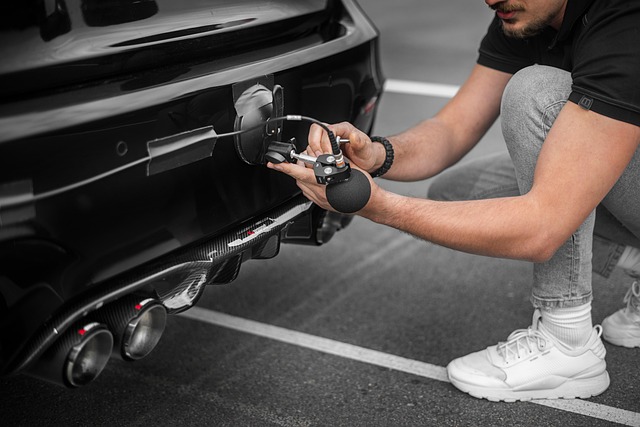
To register your car in California, one of the essential steps involves visiting a physical office of the California Department of Motor Vehicles (DMV). This is where you’ll initiate the process and ensure that all necessary paperwork is accurately completed. The DMV offers several convenient options for registration, including in-person visits at their regional offices. This direct interaction provides an opportunity to seek clarification on any regulatory requirements and ensures your vehicle’s documentation aligns with state standards.
When visiting a DMV office, bring along the required documents, such as proof of ownership, valid identification, and any necessary fees. A key component of this process is the verification of your Vehicle Identification Number (VIN). Utilizing a mobile VIN verifier or conducting a manual inspection through a mobile VIN verification app can facilitate this step. These digital tools enable you to cross-reference the provided VIN with official records, enhancing accuracy and expediting the registration procedure. For instance, many mobile apps offer real-time data access, allowing you to address any discrepancies promptly.
In some cases, individuals might opt for alternative methods, such as online registration or mail-in applications, but in-person visits at a DMV office remain the preferred and most comprehensive approach. This is particularly true when dealing with complex vehicle histories or unique registration scenarios. The expertise of DMV staff can be invaluable in navigating these situations, ensuring your car’s registration complies with California’s stringent regulations.
Complete the Registration Process and Receive Your License Plate

After completing the necessary forms and gathering all required documents, the next step in registering your car in California is to have your vehicle inspected for compliance with state emissions and safety standards. This inspection includes a thorough review of your Vehicle Identification Number (VIN) by a qualified examiner who will verify its authenticity using a mobile VIN verifier. In California, many local authorities now utilize mobile VIN verification services, allowing for more convenient and efficient inspections.
During this process, the examiner checks for any discrepancies between the vehicle’s recorded history and its physical condition. This includes ensuring that the VIN is accurate and matching the make, model, and year of your car as documented in official records. A valid VIN inspection is crucial to demonstrate that your vehicle meets all legal standards before issuing a registration certificate and license plate.
Once your VIN has passed scrutiny, you can proceed with receiving your California license plate. The examiner will issue a temporary tag or certificate upon successful completion of the inspection. This document serves as proof that your vehicle is registered and legally allowed to be operated on California roads while you await your permanent license plate. Keep this paperwork handy during the registration process and be prepared to provide it when requested by local law enforcement officers.
By meticulously preparing your documents, understanding the crucial role of the California Vehicle Identification Number (VIN) Verifier, gathering all necessary information, and visiting a DMV office, you’ve taken significant steps towards seamlessly registering your car in California. This process ensures not only legal compliance but also safeguards your investment by verifying vehicle authenticity via the VIN verifier. Moving forward, completing the registration process and securing your license plate marks a transformative milestone, positioning you to confidently navigate California’s roads with peace of mind and full legal standing.